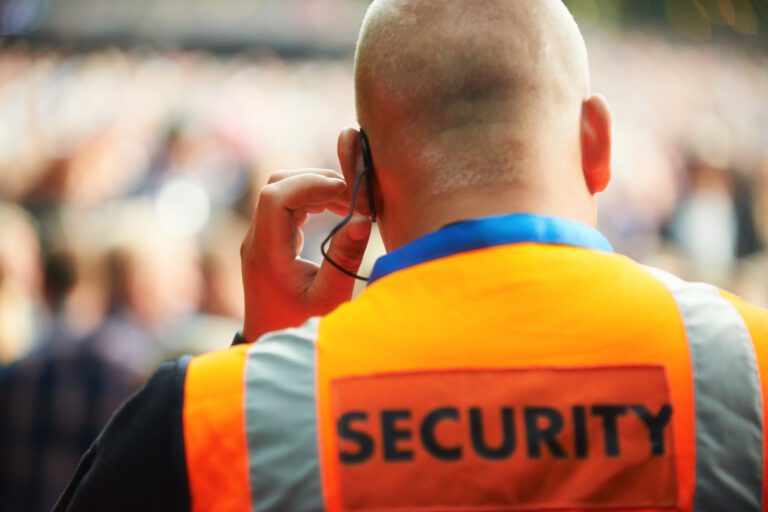
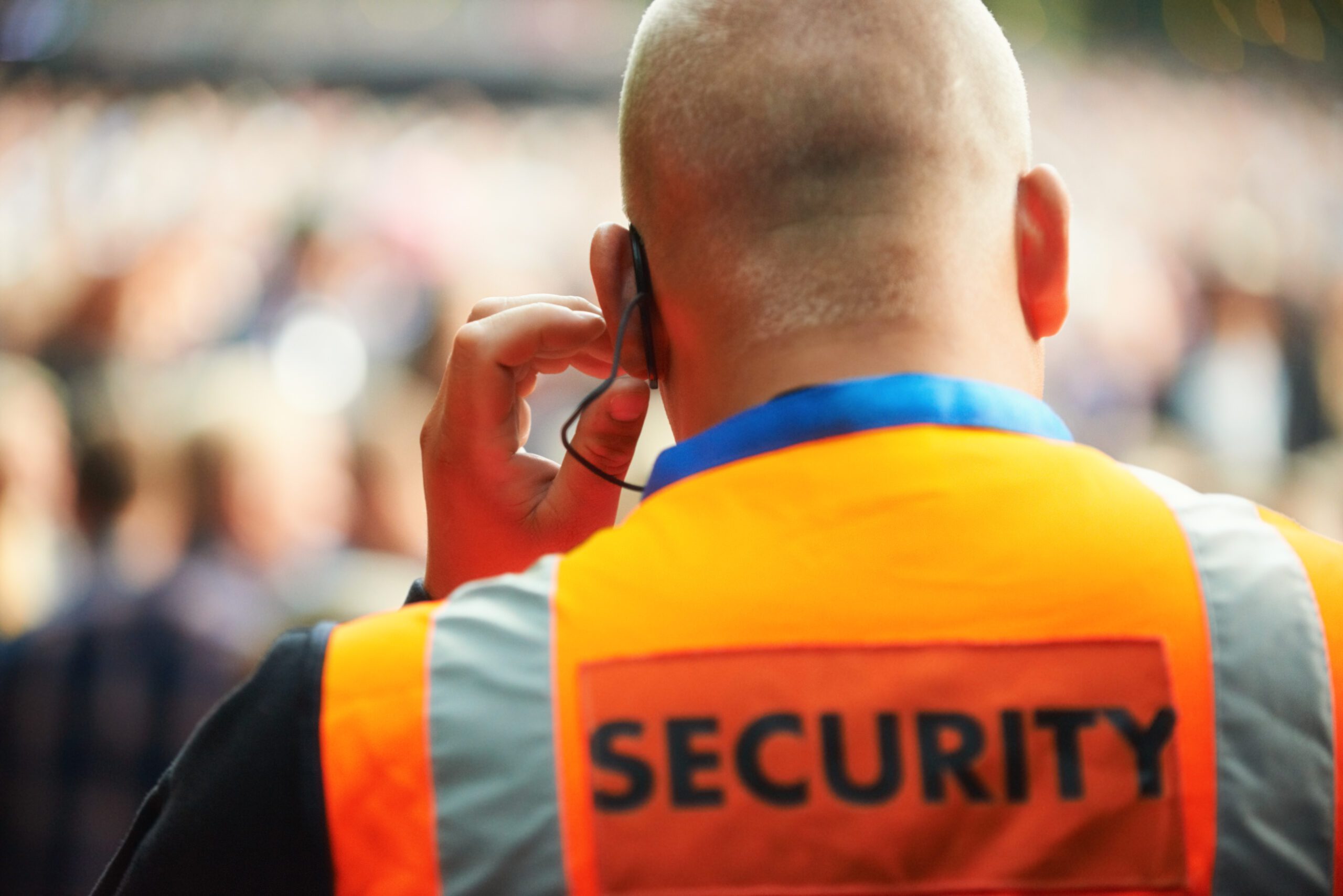
Security is a career that needs focus, responsibility and the right training. It’s a job where you deal with people, protect premises, and stay alert. It suits those who are calm under pressure and want consistent work.
Here’s how to get started.
Decide What Type of Security Role You Want
The security industry is broad. You might want to work as a Door Supervisor at a venue or nightclub. You might prefer retail security or guarding construction sites. Some roles involve working at events or in transport hubs. Each job has different hours, pay and duties. Look at job listings. Speak to people already working in the field. Get a clear idea of what the job involves before taking your next step.
Understand the Legal Requirements
To work in most front-line security roles in the UK, you need an SIA licence. SIA stands for the Security Industry Authority. It’s the official regulator for the private security industry. Without a valid SIA licence, you can’t work legally in jobs like Door Supervision or Security Guarding. Before applying for the licence, you’ll need to complete an approved training course.
Meet the Entry Requirements
You must be at least 18 years old. You’ll need proof of ID, such as a passport or driving licence. You must also pass a criminal record check. Not all offences will stop you from getting licensed, but serious or recent ones might. The SIA will check your background to see if you’re suitable for security work. This includes your criminal history and identity documents. You must also have the right to work in the UK.
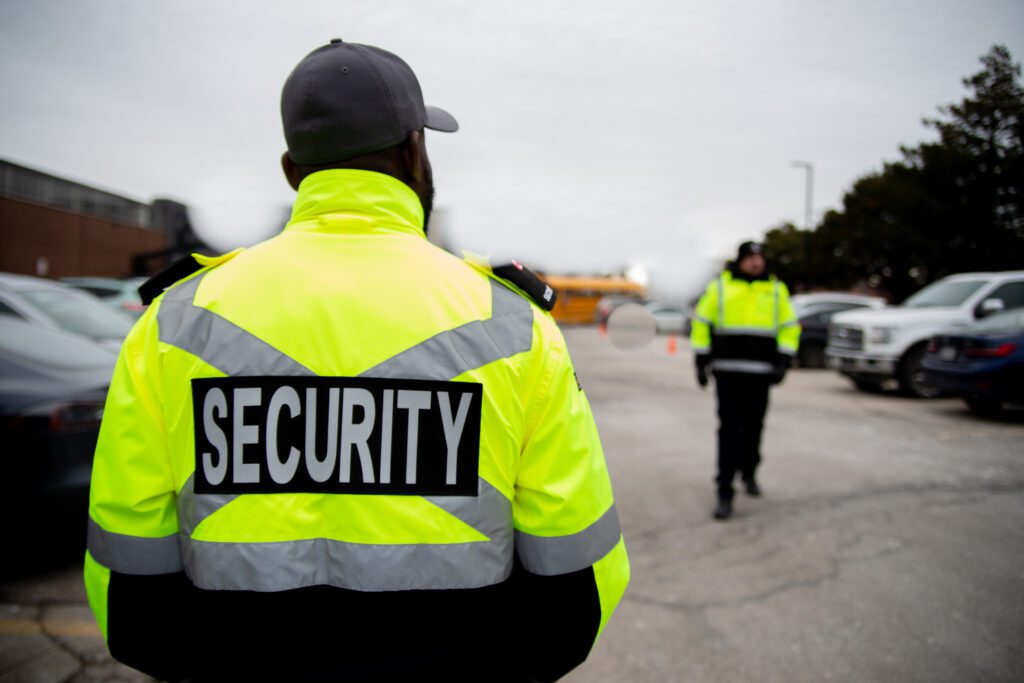
Complete the Right Security Training Course
This is your most important step. To apply for the SIA licence, you need to complete an SIA-approved training course. The course you take depends on the type of role you want.
Here are the two most common options:
Door Supervisor Licence
This is the most flexible option. It allows you to work in pubs, clubs, events, and other venues where alcohol is served. It also covers the same areas as the Security Guarding licence, so it’s accepted in a wider range of roles.
Security Guard Licence
This is for roles that don’t involve controlling entry to licensed premises. It’s suitable for retail security, business premises, and static guarding. Most new entrants take the Door Supervisor course because it opens up more opportunities.
What the Training Covers
The Door Supervisor course includes:
-
Working in the private security industry
-
Conflict management
-
Physical intervention
-
Door supervision responsibilities
-
First aid (this must be completed before the main course)
It usually takes 6 days, including exams and assessments. You’ll need to pass multiple-choice exams and a practical assessment to complete the course. First aid is now mandatory before you can take the main training. Most providers include this as part of the course package.
Apply for Your SIA Licence
Once you’ve completed your training, you’ll receive your certificate. Then you can apply for your SIA licence online. You’ll pay a fee of £190. The licence is valid for 3 years. You’ll need to create an account with the SIA, complete your application form, and verify your identity. The SIA may contact you for more information during the application process. This is normal. The process usually takes 3–6 weeks, but can be quicker if everything is in order.
Get Experience (Even Voluntary)
It’s not always easy to get your first job without experience. Look out for event security roles, where you can work on a temporary basis. Some companies offer “shadow shifts” where you work alongside an experienced officer. Others hire for casual work at concerts, festivals and sports events. Once you’ve worked a few shifts, it becomes easier to get regular roles.
What Employers Look For
Employers want people who are:
-
Reliable
-
Punctual
-
Calm and polite under pressure
-
Good communicators
-
Observant and switched-on
You should be comfortable with rules and following procedures. A smart appearance helps. Many companies require a uniform, but you still need to present yourself well. You may be asked to work night shifts, weekends or long hours. If you’re flexible, you’re more likely to get regular work.
Understand the Pay and Conditions
Most entry-level roles pay between £10.50 and £13.00 per hour. Rates vary depending on the location, hours, and the type of site. Working for a venue or nightclub often pays more than daytime retail security. Some roles offer fixed hours each week, while others are casual or zero-hours. There’s always demand for qualified security officers, especially in busy urban areas or at large events.
Progress Your Career
Once you’re in the industry, you can move up. You might become a site supervisor, team leader, or operations manager. You can also take extra qualifications in CCTV operation, close protection, or training and assessing others. Some people move into corporate security, government roles or specialist sectors like aviation. There are real opportunities for growth if you’re motivated and consistent.
Why Choose Sierra 27?
At Sierra 27, we provide approved SIA security training in Bridgend and the local area. Our trainers have hands-on experience in the industry. We deliver clear, practical sessions that prepare you for real work. We keep our class sizes manageable so everyone gets the support they need. We include First Aid training as part of your course package, so you meet the SIA requirements from the start.
Whether you’re starting your first role or changing careers, we’ll help you get your licence and feel confident doing the job. Book your place today and begin your security career the right way—with Sierra 27.